


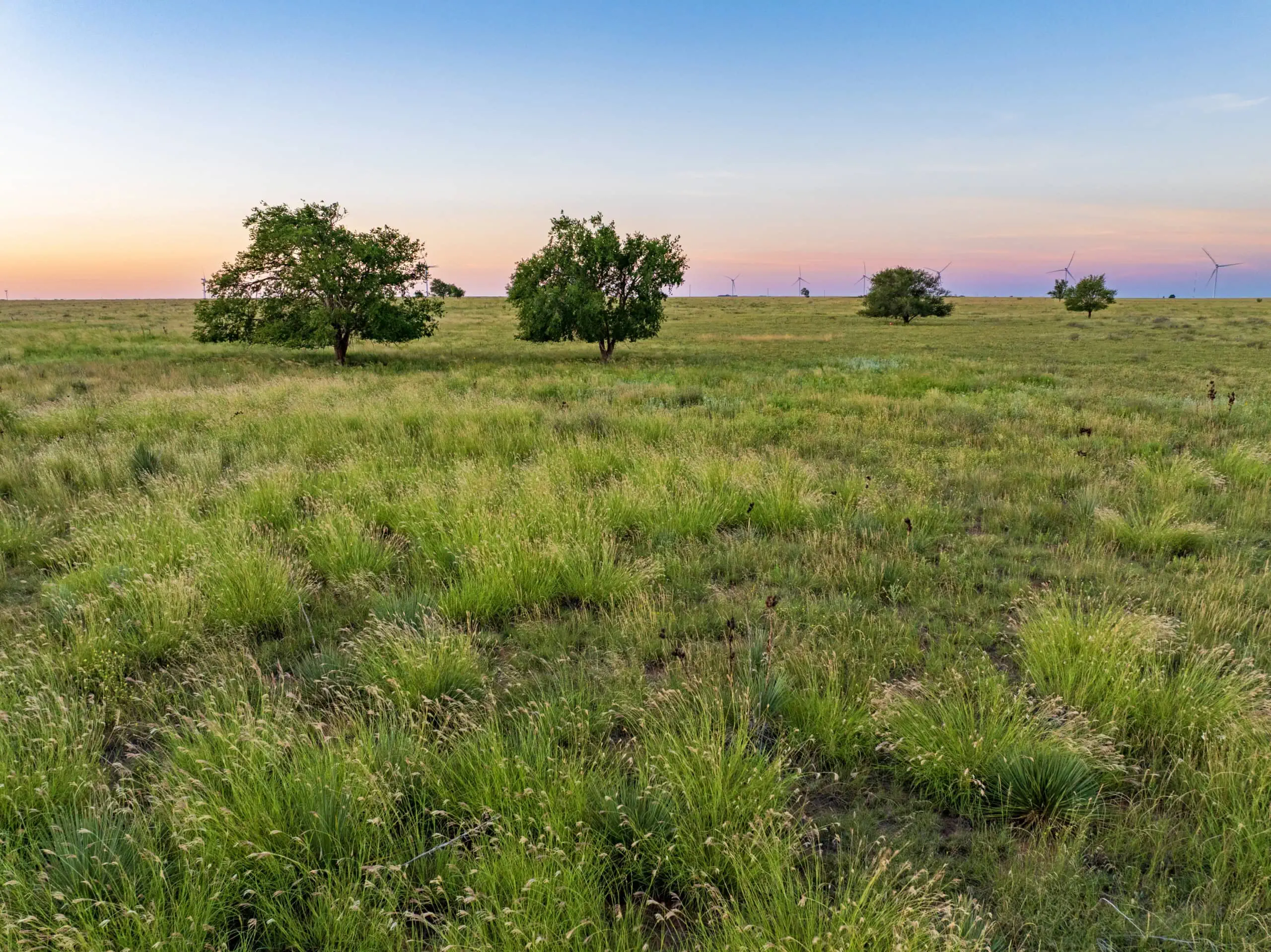
Conservation easement land in Texas isn’t just a Hill Country story anymore. It’s showing up on South Plains and Panhandle ground too, and the fundamentals are the same whether the tract is grazing land north of Muleshoe or a hunting lease down toward Fredericksburg. What’s different is how the practical questions play out. Water, tax, and buyer pool don’t work the same on Caprock ag land as they do on scenic Hill Country acreage, and that’s where a lot of the generic advice out there stops being useful.
What the Easement Actually Restricts
Land ownership is a bundle of rights: build on it, farm it, sell it, subdivide it, lease it, mortgage it. A conservation easement takes one of those rights, usually the right to develop or subdivide, and permanently signs it over to a land trust or government agency. You still hold title. You can still run cattle, farm it, sell it, or leave it to your kids. What you can’t do is turn it into forty ranchettes or a solar farm, and neither can whoever buys it after you.
The specifics live in the deed, and every deed is different. Some allow a set number of structures. Some allow hunting cabins. Some lock the ground into grazing or dryland use only. Read the actual recorded instrument before you list or before you write an offer. Don’t take anyone’s summary of it, including mine.
Who’s Holding Conservation Easement Land in Texas
Two names come up most in Texas: the Texas Agricultural Land Trust (TALT) and NRCS’s Agricultural Conservation Easement Program, specifically the Agricultural Land Easement component (ACEP-ALE).
TALT is a statewide land trust founded by landowners in 2007, based in San Antonio, and as of late 2025 it had over 314,000 acres under easement across every ecoregion in the state, working with dozens of families. It takes donated easements and works with landowners on the terms.
ACEP-ALE is different. It’s a federal cost-share program that pays a land trust, tribe, or local government to buy the easement from you rather than accept it as a donation. NRCS generally covers up to 50% of the fair market value of the easement, and can go as high as 75% for grassland it designates as having special environmental significance, worth asking your NRCS state office about if you’re dealing with native grass. Funding for FY2026 got a real bump from the One Big Beautiful Bill Act, up to $625 million nationally with a scheduled climb to $700 million by 2029. Application windows and exact funding levels shift by fiscal year, so confirm the current cycle before you quote a number to a client.
That distinction, donate versus sell, is the first fork in the road for anyone thinking about placing an easement.
Where the Tax Pitch Breaks Down Out Here
A lot of conservation easement content leans hard on three tax benefits. One of them holds up everywhere. Two of them need a second look if you’re selling or advising on South Plains or Panhandle ground.
Income tax deduction. This one’s real and it’s federal, so it applies the same in Muleshoe as it does in Marfa. Donate a qualified easement and you can deduct the value of what you gave up, the reduction in the land’s value, against up to 50% of your adjusted gross income the year you donate. If you’re a qualified farmer or rancher, meaning more than half your gross income comes from farming or ranching, that jumps to 100% of AGI. Either way, unused deduction carries forward up to 15 years. Texas has no state income tax, so unlike Colorado, South Carolina, or Virginia, there’s no additional state credit stacked on top. This part of the pitch checks out.
Estate tax. This is where a lot of older content is out of date. The One Big Beautiful Bill Act, signed in July 2025, permanently raised the federal estate and gift tax exemption to $15 million per person, $30 million for a married couple, starting January 1, 2026, and it’s indexed to inflation going forward. Most family farm and ranch operations out here aren’t anywhere close to that number. The “protect your land from being broken up to pay estate taxes” argument used to carry real weight for a much wider range of landowners. Now it mostly applies to the handful of larger operations that are actually pushing up against an eight or nine figure estate. Don’t lead with this one unless the numbers actually justify it.
Property tax. This is the other one worth correcting. Texas already taxes qualified farm and ranch land on productivity value, not market value, under Section 1-d-1 of the state constitution, as long as the land has been in ag use for 5 of the past 7 years. That describes the overwhelming majority of working ground on the South Plains and Panhandle already. If your land already qualifies for that open-space valuation, adding a conservation easement usually doesn’t move your county tax bill, because you were already being taxed on what the land produces, not on what a developer might pay for it. The property tax argument has more teeth near a growing metro where ag valuation is genuinely at risk. It has less out here.
Water Is the Real Question, Not Wildlife
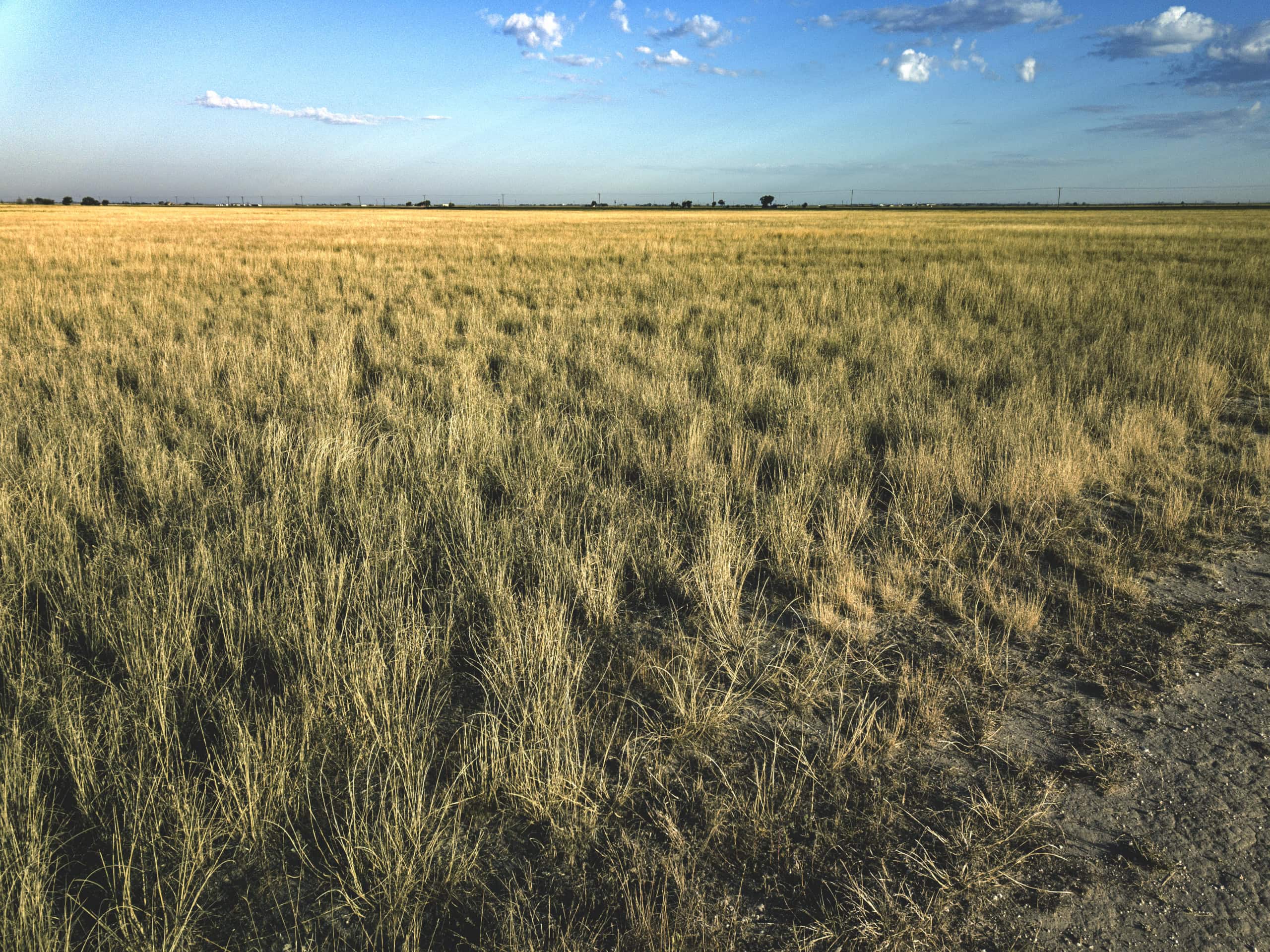
Generic guides talk about scenic views and wildlife habitat because a lot of eased land in Texas is Hill Country recreational property. Out here, the question buyers and sellers actually need answered is groundwater.
Most of the South Plains sits under the High Plains Underground Water Conservation District No. 1, which covers Bailey, Cochran, Hale, Lamb, Lubbock, Lynn, Parmer, and Swisher counties whole, plus parts of Armstrong, Castro, Crosby, Deaf Smith, Floyd, Hockley, Potter, and Randall. Head further north and east of Amarillo and you’re into Panhandle Groundwater Conservation District or North Plains Groundwater Conservation District territory. The Ogallala doesn’t recharge fast, and every one of these districts is managing decline, not surplus.
That means the easement deed needs to say exactly what happens to water rights, not just land use. Domestic and livestock use is standard and usually untouched. Whether irrigation rights stay intact, get capped, or are severed from the easement entirely is a negotiated point, and it changes what the tract is worth and who wants to buy it. A quarter section with working irrigation under an ag easement is a completely different asset than one the easement locks into dryland or grazing only. Get this in writing before you list it, and if you’re buying, don’t assume anything about water rights that the deed doesn’t say explicitly. With wind and transmission development pushing across this part of the state right now, buyers are also starting to ask whether an easement blocks or allows utility corridors. That’s another deed-specific answer, not a general one.
What It Does to Your Buyer Pool When You Sell
Selling land with a conservation easement already on it is completely normal. The easement runs with the title, so it doesn’t go away at closing, and whoever buys is agreeing to live inside its terms.
Your buyer pool narrows. It doesn’t disappear. Working ranchers, ag investors looking for cash-flowing grazing or dryland ground with no development risk hanging over the neighbors, and conservationists are exactly who shows up for this kind of listing, and they’re often willing buyers precisely because the easement is there, not despite it. Price it to that buyer, market it to that buyer, and if there’s a mortgage on the property, loop your lender in early. Lenders and easement holders both want first position in a default, and that can complicate a sale if it’s not sorted ahead of time.
If you sell eased land and plan to reinvest the proceeds, a 1031 exchange for farmland can defer the federal tax on the gain. Talk to your CPA first about how the easement affects your tax basis.
What to Check Before You Buy Eased Land
Read the recorded easement, not a summary of it. Confirm what agricultural use is protected, what structures are allowed, and exactly where water rights land. Shop your financing with a lender who’s actually worked with encumbered ag land before. Standard residential and even some standard ag lenders will balk at an easement they don’t understand, and that can slow or kill a deal that should otherwise close clean.
The upside is real. You can often buy solid working land at a lower per-acre price than comparable unrestricted ground, because the development value has been permanently removed. If you’re buying to farm, graze, or hunt and you have zero interest in ever subdividing, the easement isn’t a drawback. It’s a guarantee that your neighbor’s ground won’t turn into a subdivision either. Browse current South Plains and Panhandle listings to see what’s available.
If You’re Considering Placing One on Land You Already Own
Get the land appraised before and after the easement. That difference is the deduction if you’re donating, or the basis for a purchase price if you’re selling to an NRCS-funded entity. Decide early whether you’re donating to a land trust like TALT or applying through ACEP-ALE, since the process and the payout are different. Work with the land trust or agency to define exactly what’s restricted, sign and record the deed with the county, and bring in a CPA and a real estate attorney from the start. The IRS scrutinizes high-value easement deductions closely, and getting the appraisal or the terms wrong can cost you a lot more than the tax benefit was worth.
Bottom Line
The mechanics of conservation easement land in Texas don’t change between the Hill Country and the Panhandle. What changes is which parts of the pitch actually apply to your land, and what you need to verify before you sign anything. Out here, that means less about wildlife and estate tax, and more about water rights and knowing exactly what’s in the deed.
Own land in the South Plains or Panhandle with a conservation easement attached, or thinking about placing one? Get a free valuation before you list.